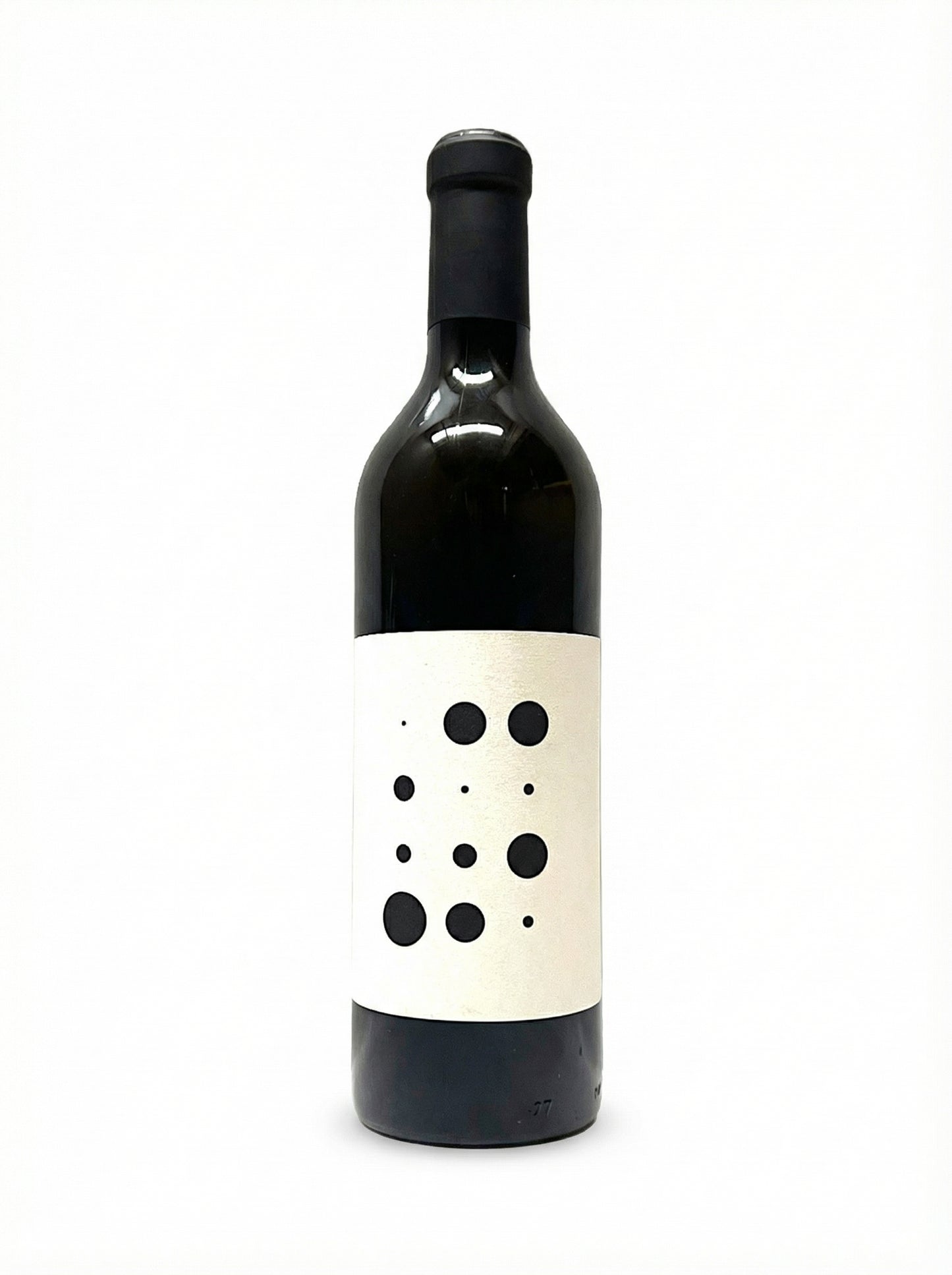
2023 Piquentum Malvasia
Piquentum is crafted by Dimitri Brečević, a French-trained winemaker born in Jurançon who returned to his father's homeland in Istria, Croatia. This 100% Malvazija Istarska (Malvasia Istriana) is grown in the white flysch soils of the rugged, truffle-rich forested interior, contrasting with coastal plantings. The wine undergoes 3-4 days of skin contact maceration in open vats with spontaneous fermentation using native yeasts, then ages 70% in barrel and 30% in stainless steel. The winery operates from a repurposed World War II concrete water bunker, producing natural wines with minimal intervention that express Istria's unique terroir.
Regular price
$36.00
Regular price
Sale price
$36.00
Specs
Farming
Harvest
Grapes are slowly pressed in a converted concrete water tank maintained at 10-11ºC
Fermentation
Spontaneous fermentation with native yeasts initiated using warmer external air (around 14ºC) to enable complete wild fermentation without additives; 3-4 days of skin contact in open vats to magnify salt and aromatics; fermented in 70% barrel and 30% stainless steel
Aging
Aged in 70% oak barrels and 30% stainless steel; blended in May and bottled in June unfiltered with minimal intervention